Marine Science
- Marine Science Tier 1 Courses
- Marine Science Tier 2 Courses
- Marine Science Tier 3 Courses

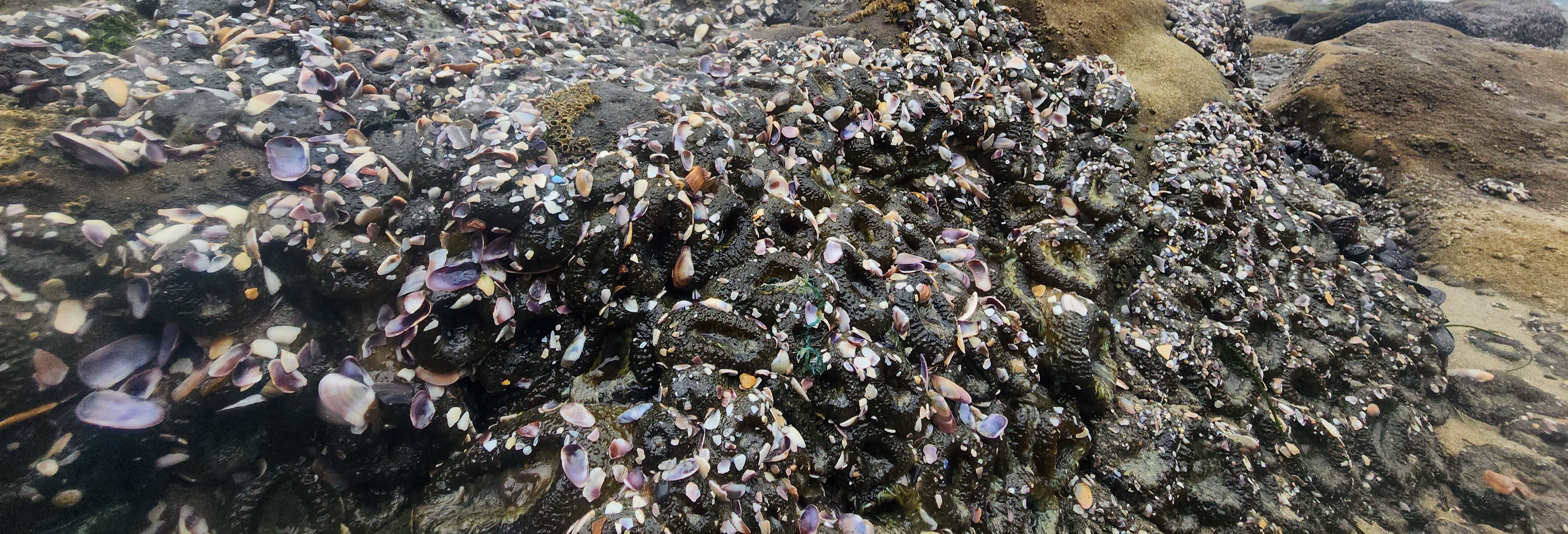


Tier 1 courses provide students with a foundational understanding of ocean sciences, with a focus on marine biology and its related subdisciplines. These courses introduce the diversity of marine life and examine the biological, chemical, and physical processes that shape ecosystem dynamics within marine environments. Each course is designed to address current and relevant environmental challenges while preparing students for progression into Tier 2 research-focused workshops. Tier 1 courses also serve as an ideal entry point for students with a general interest in marine science and those exploring potential academic and professional pathways within the field.
Here are the Tier 1 courses offered for the program. After successful completion of ONE Tier 1 course, students may apply for a Tier 2 course. See below for course details.
Introduction to Marine Science - Now Available!
More Information Coming Soon!
More Information Coming Soon!
Introduction to Marine Science
The Introduction to Marine Science course offers a deep dive into the vast and complex world of our oceans. It provides students with an immersive experience into the dynamic processes that govern the marine environment, from the microscopic plankton that form the base of the food web to the majestic blue whales that traverse the ocean basins. Students will explore the intricate chemical cycles that sustain life in the oceans, the physical forces that shape marine habitats, and the diverse biological communities that inhabit them.
The course covers a wide range of topics, including:
Chemical Oceanography: Examining the chemical properties of seawater, biogeochemical cycles, and the role of the oceans in global chemical processes.
Physical Oceanography: Studying ocean currents, waves, tides, and the physical structure of the oceanic environment.
Biological Oceanography: Investigating the diversity of marine life, their ecosystems, and the biological processes that sustain them.
Marine Ecology: Investigating the relationships between marine organisms and their environments, including food webs, symbiotic relationships, and ecosystem dynamics.
Human Impact: Assessing the effects of human activities on marine ecosystems, including pollution, overfishing, and climate change.
Students will also have opportunities to engage with current research and learn about the latest technological advancements in marine science. It prepares students for diverse careers in marine research, policy development, environmental stewardship, and other related fields. By exploring the intricate web of life and the physical dynamics that shape the marine environment, students will learn to appreciate the ocean’s significance to global ecosystems and humanity’s role in safeguarding its future. This course is designed to inspire a new generation of marine scientists, equipped with the knowledge and skills to contribute to the understanding and preservation of our oceanic world.
This course can act as a prerequisite for any Tier 2 courses offered.
Topics Include :
Marine Biodiversity: Coral Reef Ecology and Conservation
This course can act as a prerequisite for any Tier 2 courses offered.
By the end of the course, students will:
Navigating Research: Laying the Foundation for Exploration
Human activities, including pollution and climate change, are having profound and diverse impacts on our oceans. As environmental challenges continue to escalate, it becomes increasingly important to understand how these changes will affect marine ecosystems and the organisms that rely on them. Students will explore two key research themes that are crucial for understanding the diverse impacts of environmental changes on the oceans: 1) the effects of thermal stress on the physiology and ecology of marine organisms and/or understanding thermal exchange in a changing climate; and 2) using innovative tools like environmental DNA (eDNA) to enhance ecosystem and biodiversity monitoring and how these tools allow for more comprehensive assessments of ecosystem biodiversity helping to better inform conservation efforts.
This course will also introduce students to the scientific method, focusing on designing and conducting a capstone research project, culminating in a research proposal that students can utilize for future projects. Through lectures, discussions, and case studies from topic experts, students will gain a deeper understanding of how human activities and climate change are transforming the marine environment.
This course is strongly recommended as a prerequisite for our summer research program. Students who complete this course will receive priority in selecting their research project themes. For more details on the available research themes, please refer to our summer research experience “Investigating Human and Climate Impacts on Oceans and Biodiversity”.
Theme 1: Thermal Biology
Theme 2: eDNA & Biomonitoring
Space is limited, and students will be accepted on a rolling basis. Applications are subject to closing earlier should the program meet its enrollment capacity.
Payment Deadline: Within two weeks of acceptance, or sooner if the program begins earlier.What are 90000 level pre-college units?
Are award of completion certificates available?
How do I request an official/unofficial transcript?
How do I access my grade report?
What are 90000 level pre-college units?
Courses numbered 90000-99999 are non-credit-bearing, pre-college-level courses designed to provide an opportunity for students to explore academic interests or prepare for college admission. Research Scholars pre-college units may be transferable for secondary school credit at the discretion of the receiving institution. Students should discuss the transferability of individual courses with the registrar of their secondary school prior to enrolling.
Are award of completion certificates available?
Award of completion certificates are not available for the courses. However, students are welcome to request a transcript or downloand and print their grade report by logging in your MyExtension here.
How do I request an official/unofficial transcript?
For instructions on how to order and pay for an official/unofficial transcript, please click here. If you’ve never ordered transcripts through Parchment before, you will need to register for a Parchment account. Details can be found from the link above. All transcripts will be printed and delivered by one of the methods listed here. Transcript requests are processed by Student Services. Should you have any questions, please contact them at unex-reg@ucsd.edu.
Please note that when grades are not yet posted for the current term, you can still request an official transcript by selecting the "Hold for current quarter grades" option on the transcript request form, which instructs Student Services to wait to send the transcript until all current grades are officially posted to your academic record. This process ensures the transcript reflects your most up-to-date academic performance before it is sent to the requested recipient.
You can also view/download your grade report by logging in your MyExtension here without needing to make a payment.
How do I access my grade report?
Your final grade reports will be available in MyExtension within three weeks after the last day of class. For current blended, hybrid or online courses, you can access grades for individual assignments through Canvas or by contacting your instructor.
Students will receive a full refund for a cancellation or withdrawl from a course if this is requested 15 business days in advance of a course start date. Refunds are not granted for students who are dismissed from the program.
You can drop courses online in a few easy steps:
Or submit a written drop request:
You may file a petition for an exception to the refund policy if you are unable to continue enrollment for one of the following reasons:
Refunds will take approximately four to six weeks to process. Refunds are issued in the same method of payment (check or charge) of payment to the program.
You can also learn more about the program by visiting our Research Scholars Marine Science website: